Now Reading: 12 Forgotten Spaces Every American Home Seemed to Have in the 1970s and 1980s
-
01
12 Forgotten Spaces Every American Home Seemed to Have in the 1970s and 1980s
12 Forgotten Spaces Every American Home Seemed to Have in the 1970s and 1980s

Advertisement
Homes in the 1970s and 1980s had a personality all their own. Wood paneling, shag carpeting, patterned wallpaper, and oversized furniture were everywhere, but some of the most memorable features weren’t decorations at all. They were entire spaces dedicated to activities that have slowly disappeared from everyday life.
Back then, families made room for everything from sewing projects and telephone conversations to formal entertaining and Saturday afternoon television. Some of these spaces were practical, while others reflected the trends and expectations of the time. Today, many have been remodeled, repurposed, or forgotten entirely, but anyone who grew up in those decades might recognize a few.
1. Conversation Pits Made Living Rooms Feel Like Social Clubs
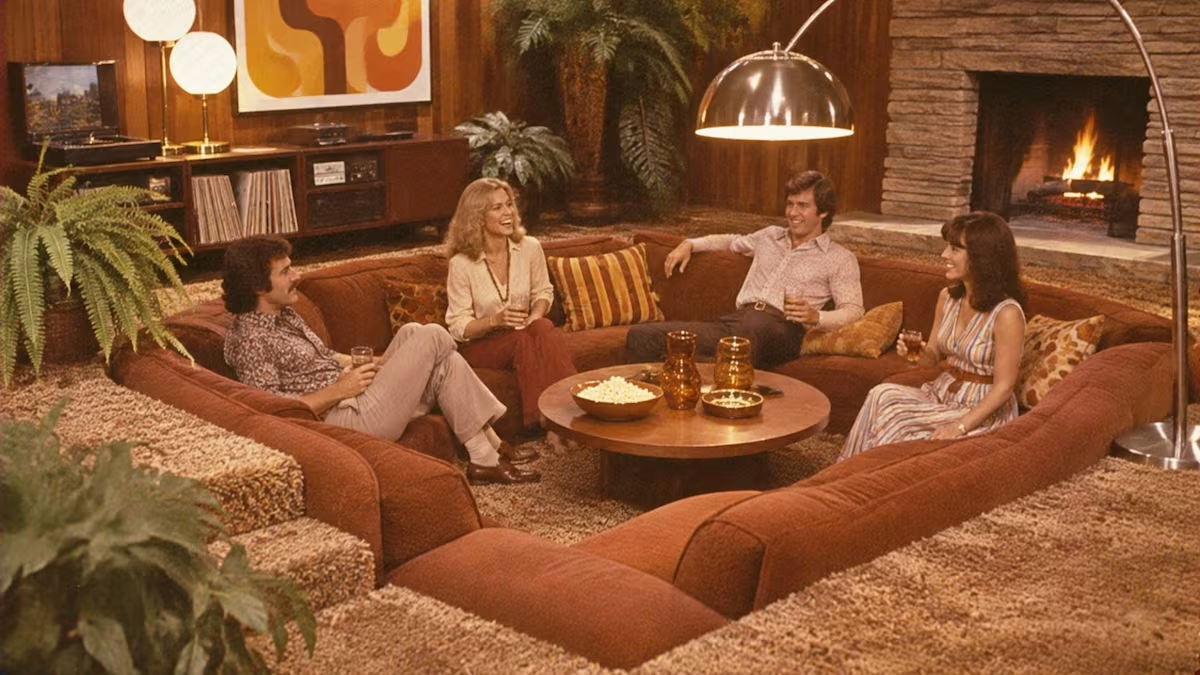
In some of the trendiest homes of the 1970s, the living room wasn’t entirely level. A few steps led down into a sunken seating area filled with built-in couches, colorful cushions, and sometimes a fireplace at the center. These conversation pits were designed to encourage people to sit together and socialize without the usual arrangement of separate chairs. They looked incredibly modern at the time, especially in homes influenced by midcentury architecture. Eventually, homeowners began filling them in because they were difficult to rearrange, presented tripping hazards, and didn’t always fit changing furniture trends.
2. Telephone Nooks Were Essential Before Cordless Phones
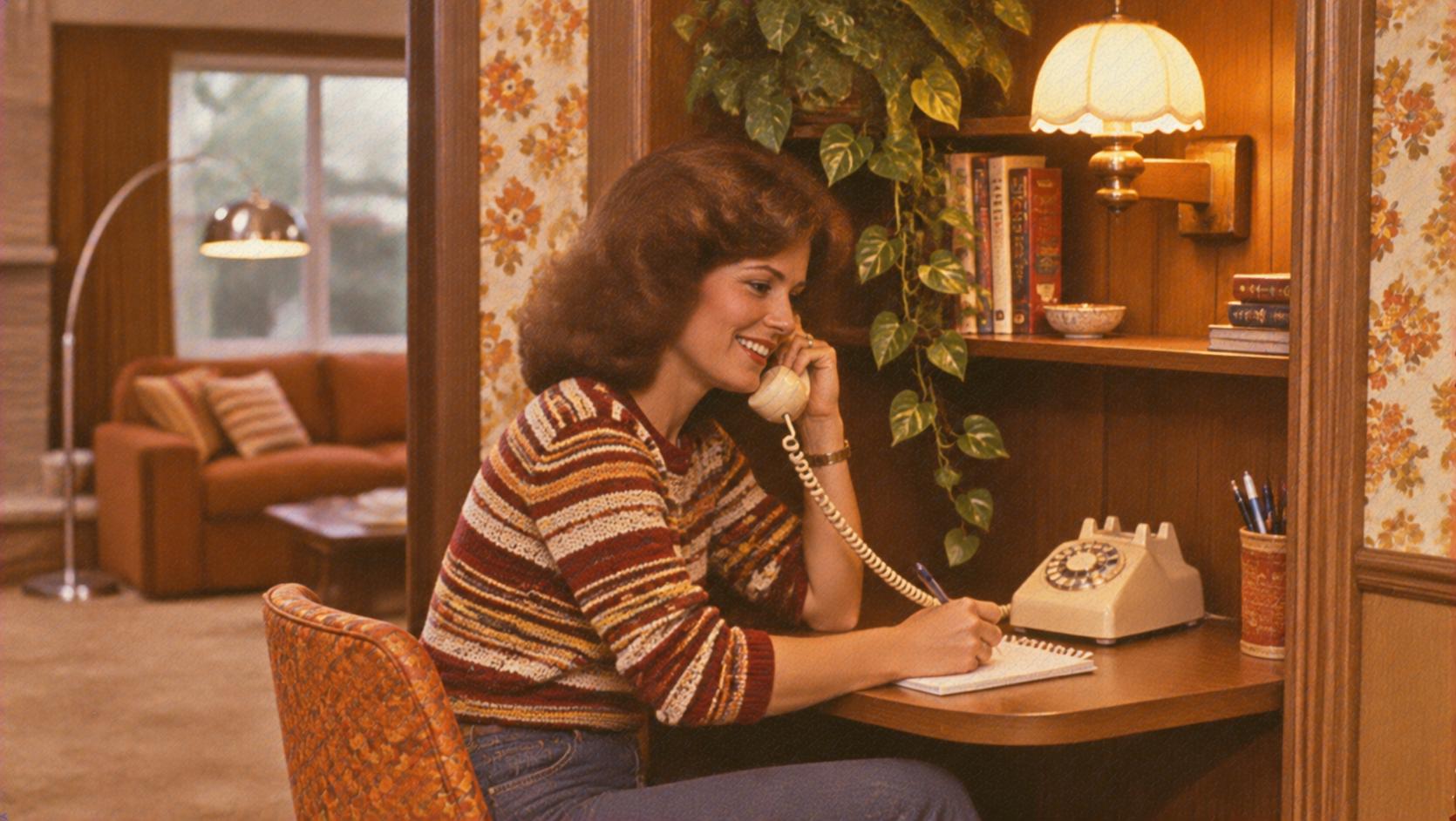
Before everyone carried a phone in their pocket, many households had a designated spot for making calls. It might have been a small hallway nook, a built-in shelf near the kitchen, or a little desk with a chair and a telephone directory underneath. The family phone often had a long, tangled cord that people stretched around corners when they wanted a little privacy. Important numbers were written on scraps of paper nearby, and conversations could last for hours. Cordless phones eventually made these dedicated areas less necessary, and smartphones finished the job.
3. Formal Living Rooms Were Reserved for Special Guests
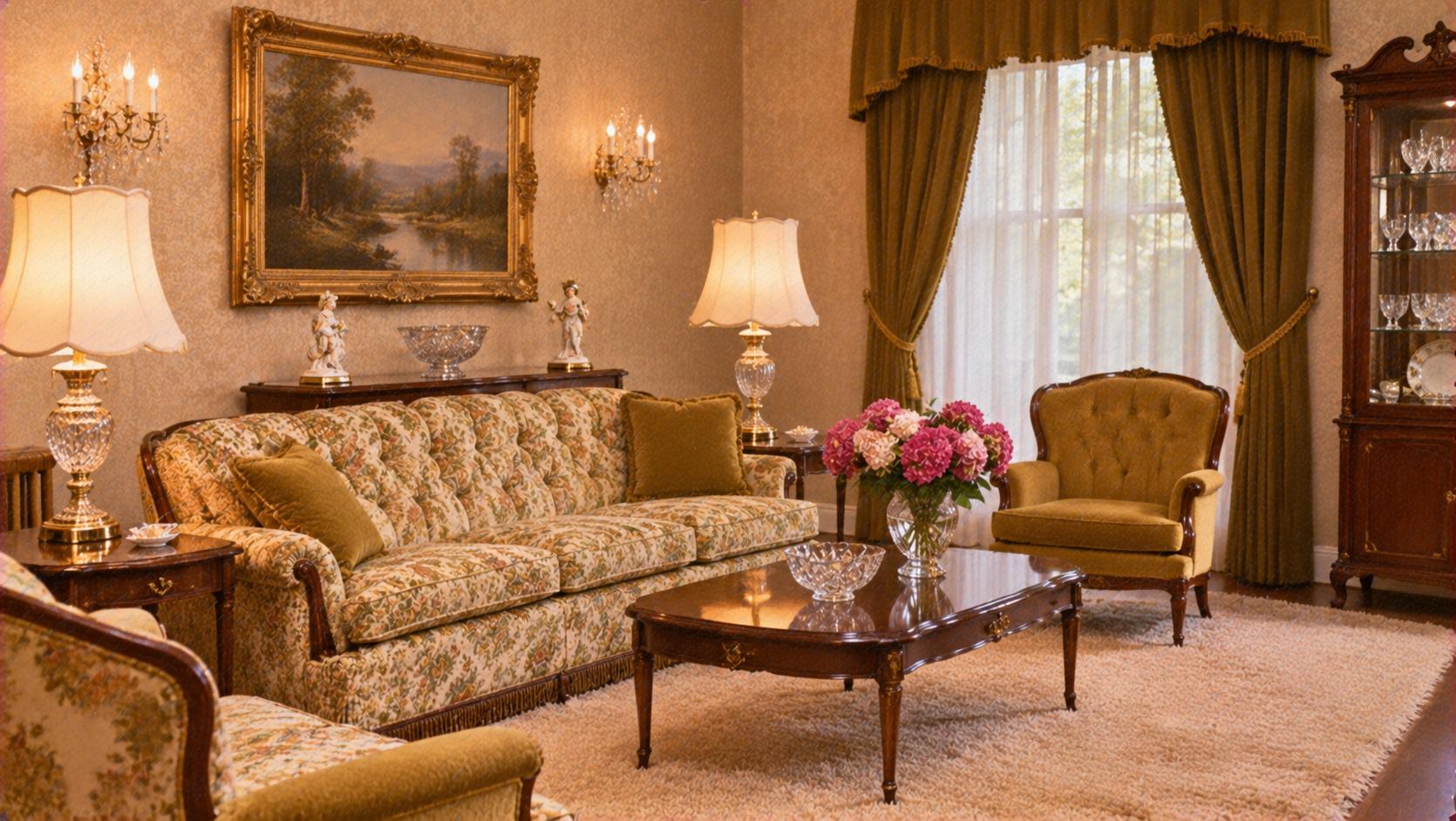
Plenty of families had a living room that nobody was really supposed to live in. The furniture was carefully arranged, decorative pillows stayed in place, and children were often told to keep their toys somewhere else. These formal living rooms were intended for visitors, holidays, and occasions when the house needed to look especially presentable. Some even had couches covered in protective plastic. As lifestyles became more casual and open floor plans gained popularity, homeowners began turning these rarely used rooms into offices, playrooms, or everyday gathering spaces.
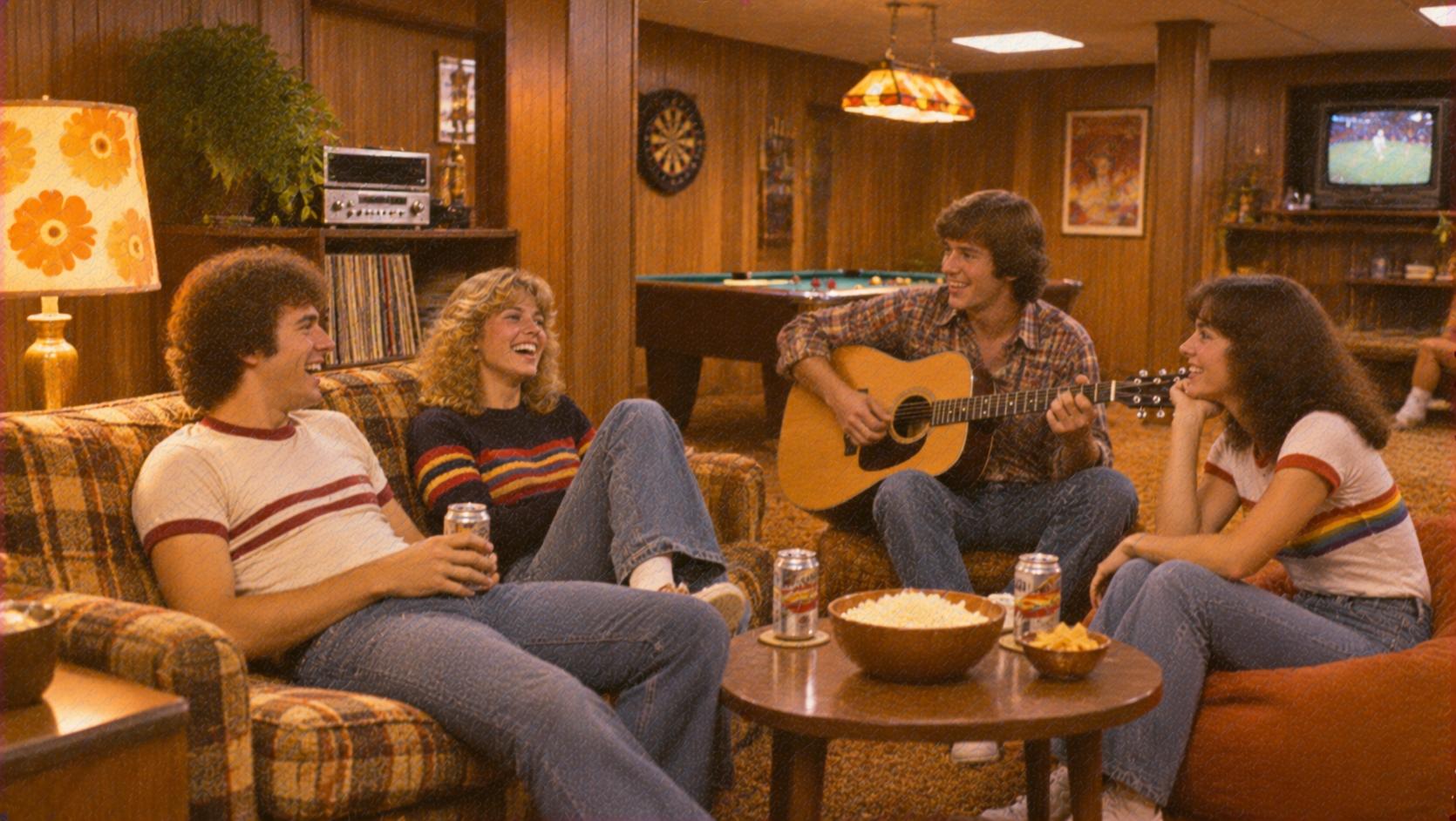
4. Basement Rec Rooms Were the Ultimate Hangout Spots
5. Sewing Rooms Were Common in Homes Where Clothes Were Repaired
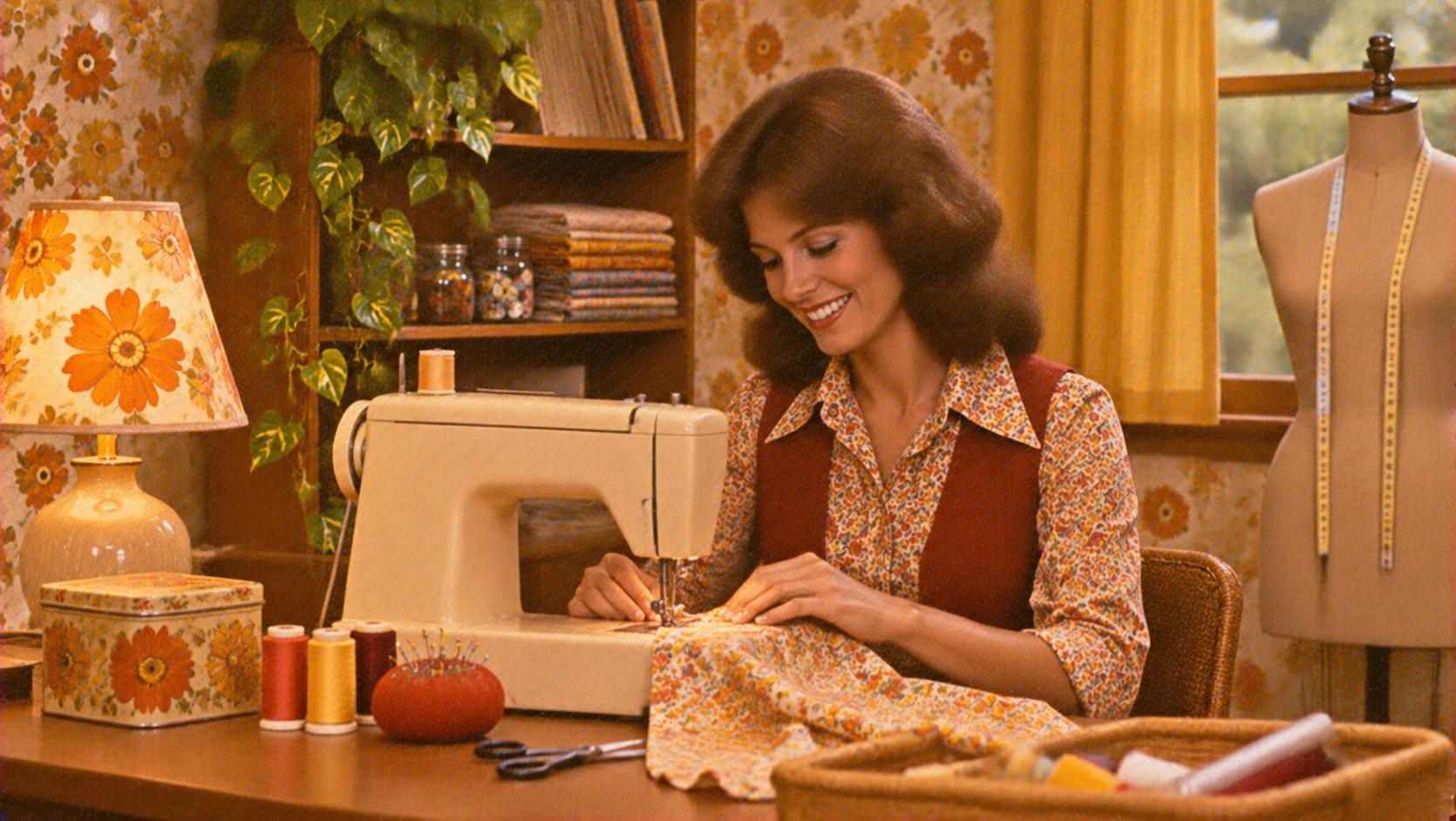
A sewing machine wasn’t unusual in an American household during these decades, and some homes had an entire room or corner dedicated to it. Fabric scraps, thread spools, patterns, measuring tapes, and unfinished projects filled cabinets and drawers. People used these spaces to mend clothing, shorten pants, make curtains, and sometimes create outfits from scratch. Sewing remained an important skill for many families, particularly when repairing something was cheaper than replacing it. As inexpensive ready-made clothing became more accessible, dedicated sewing spaces became less common.
6. Breakfast Nooks Turned Ordinary Mornings Into Family Rituals
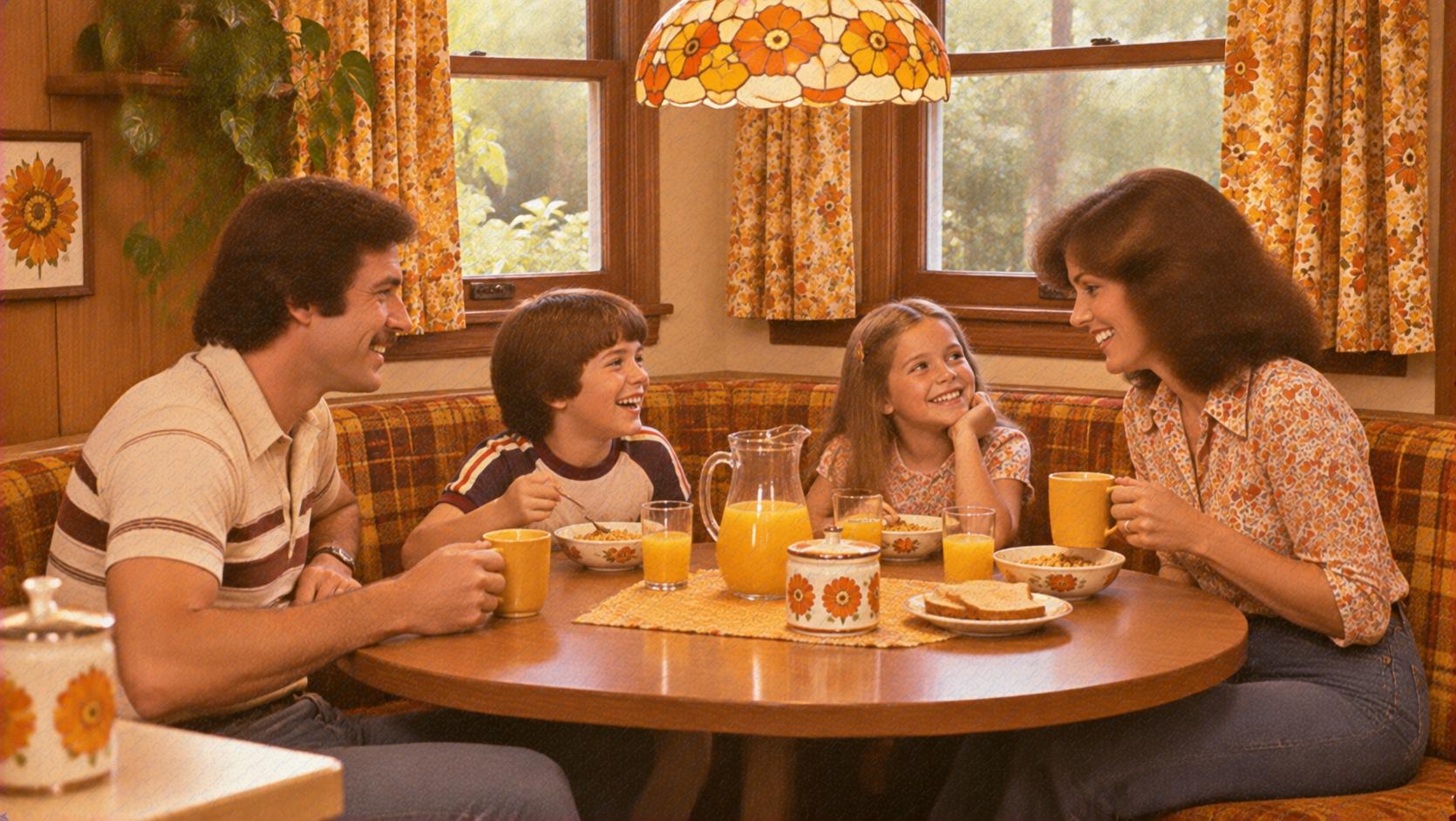
Before oversized kitchen islands became the centerpiece of modern homes, many kitchens featured a cozy breakfast nook. These small dining areas often included built-in benches, a compact table, and patterned cushions that matched the kitchen decor. They were perfect for quick breakfasts, afternoon snacks, or children doing homework while dinner was being prepared. Some were tucked beside a window overlooking the backyard. Although breakfast nooks haven’t completely disappeared, many were removed during renovations that favored larger kitchens and open layouts.
7. Wet Bars Made Entertaining at Home Feel Sophisticated
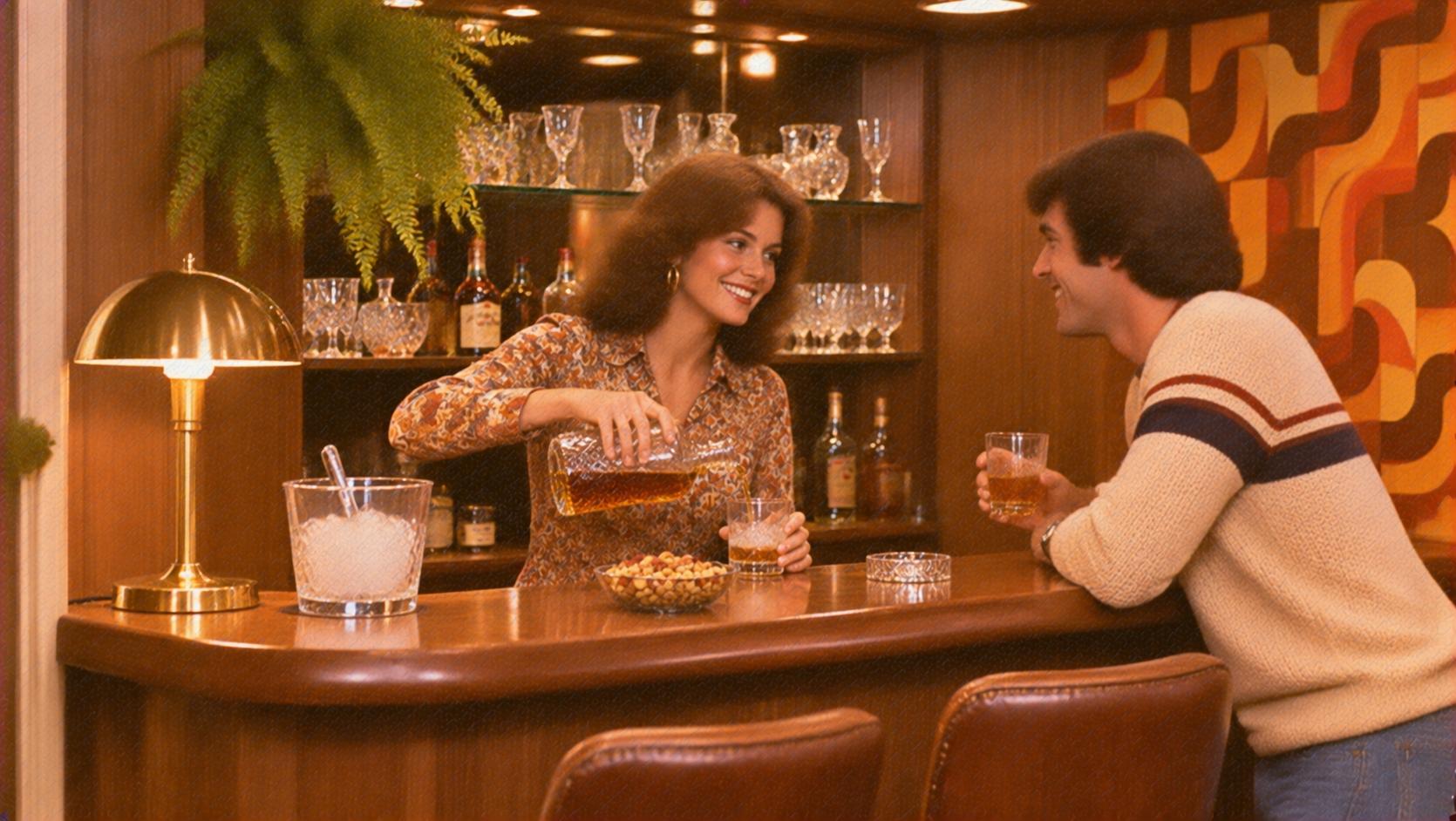
For homeowners who loved hosting parties, a built-in wet bar was once a fashionable addition. These spaces usually featured a small sink, shelves for glasses, cabinets for bottles, and sometimes mirrored walls or decorative lighting. They could be found in finished basements, family rooms, or tucked into a corner of the living room. During the 1970s especially, a home bar suggested that the owners knew how to entertain. Many of these installations eventually disappeared as design preferences changed, although modern home bars have experienced their own revival.
8. Mudrooms and Utility Entrances Were Built Around Everyday Messes
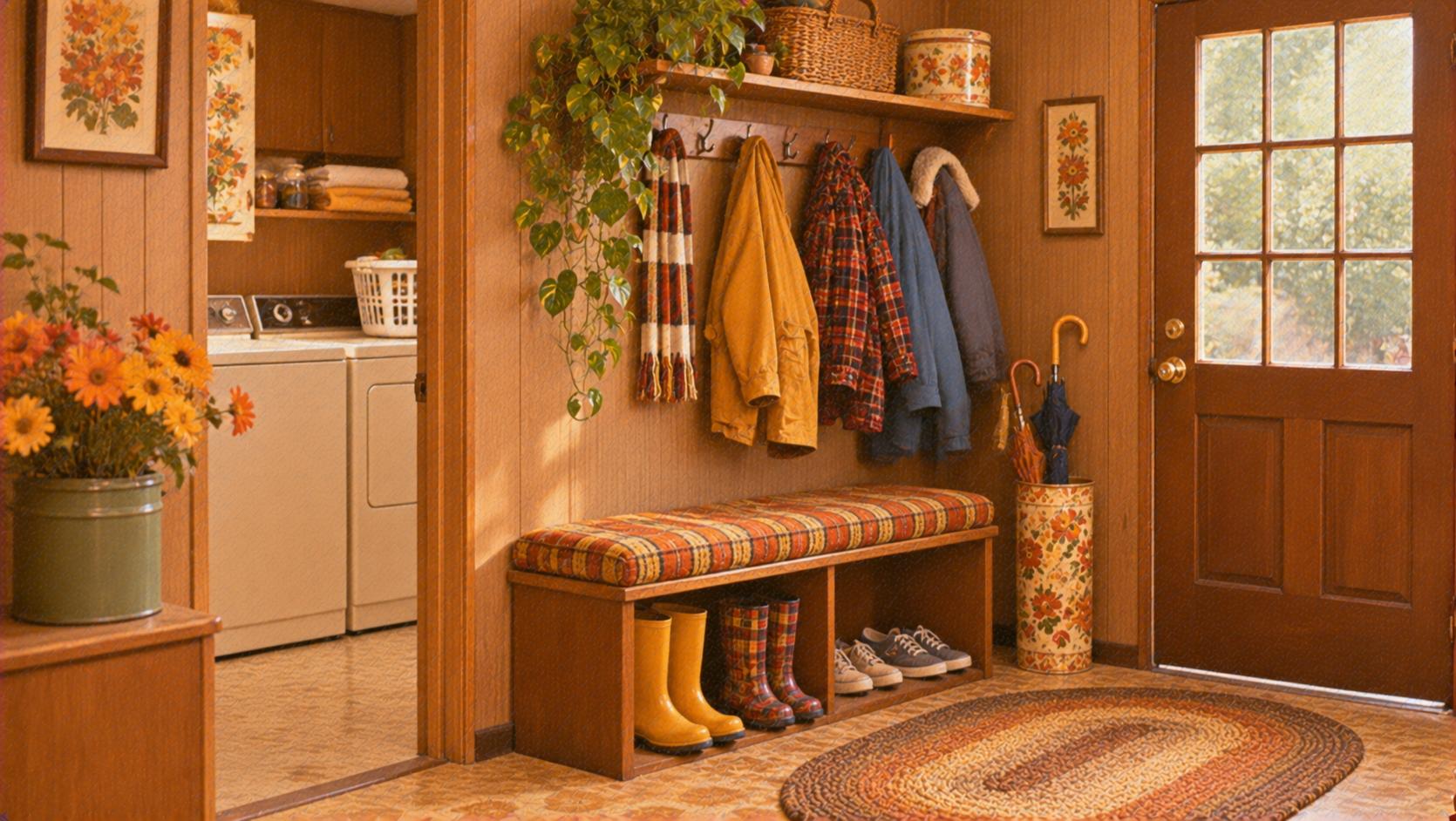
In suburban and rural homes, a back entrance sometimes served as a practical transition between the outdoors and the main living areas. Boots, coats, school bags, gardening supplies, and muddy shoes could all be left there before anyone stepped onto the living room carpet. Some utility entrances included a laundry sink or shelves for cleaning products. While mudrooms are still popular in certain homes, many older versions were absorbed into expanded kitchens, garages, or laundry areas during renovations. The simple back-door drop zone remains a familiar memory for many families.
9. Formal Dining Rooms Waited for Holidays and Sunday Dinners
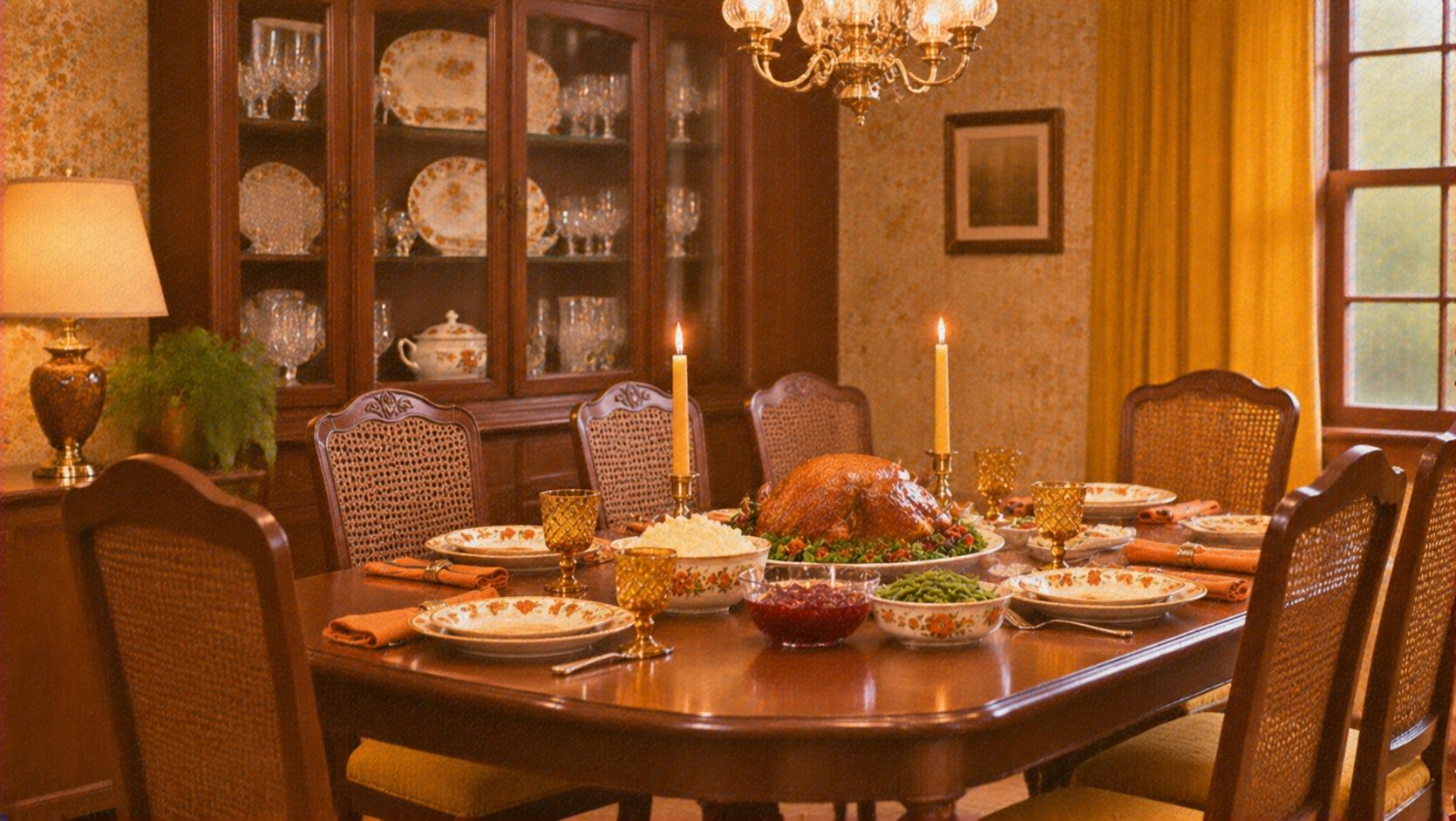
The dining room was often one of the most carefully decorated spaces in a 1970s or 1980s home. A large wooden table sat beneath a chandelier, surrounded by matching chairs and perhaps a china cabinet filled with dishes that rarely came out. Families might eat everyday meals in the kitchen while saving the dining room for Thanksgiving, Christmas, birthdays, or visits from relatives. As casual dining became more popular, many households stopped needing a separate room for special meals. Today, former dining rooms often serve as home offices or multifunctional spaces.
10. Laundry Rooms Were Hidden Away From the Rest of the House
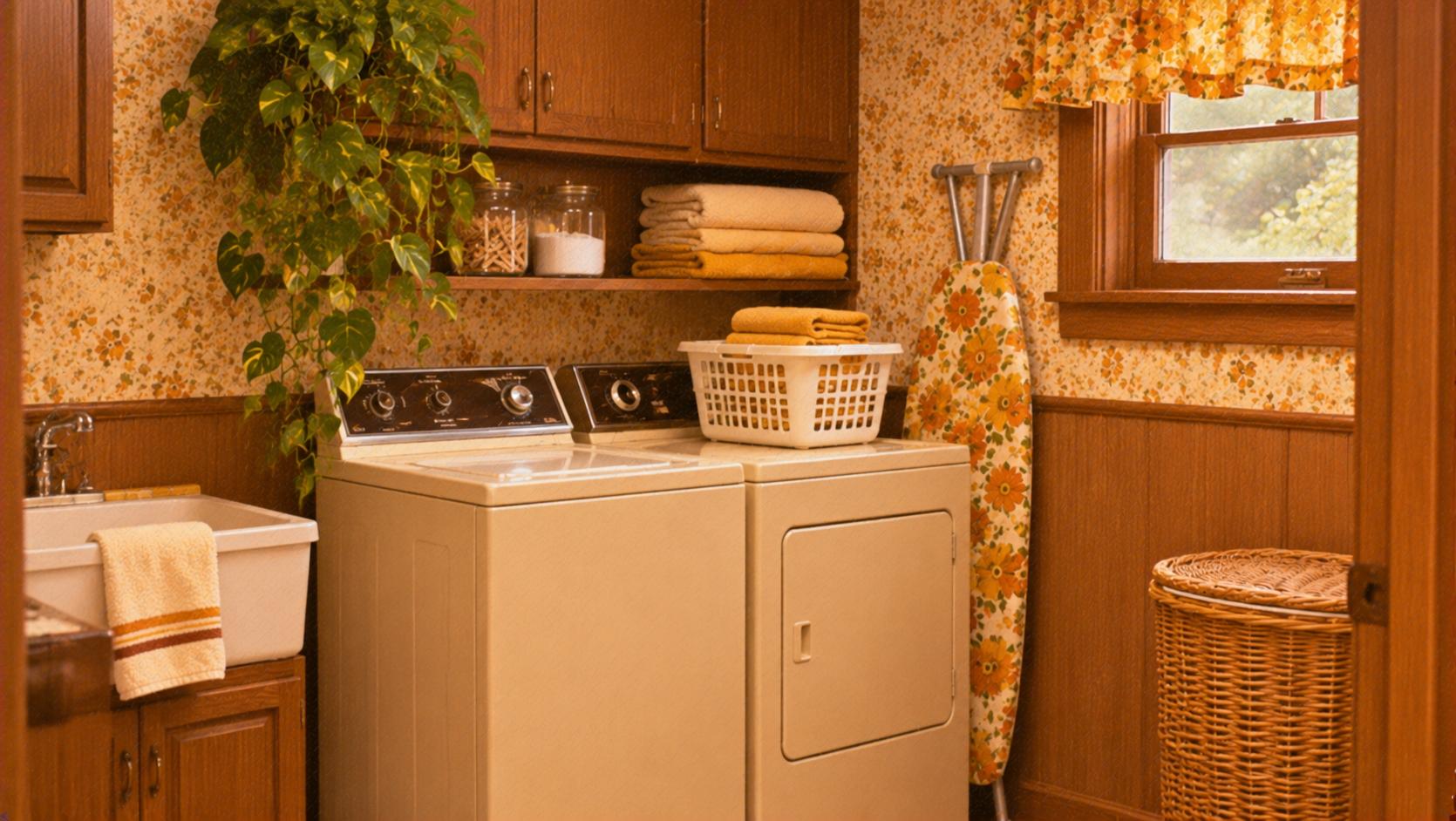
Laundry areas in older homes were rarely designed to be beautiful. Washing machines and dryers might sit in an unfinished basement, a small utility closet, or a room beside the garage. Shelves held detergent boxes, fabric softener, and baskets overflowing with clothes. Some households still used indoor clotheslines or folding drying racks for delicate items. Unlike today’s carefully styled laundry rooms with countertops and storage systems, these spaces were usually purely functional. Many were later remodeled as homeowners began treating laundry areas as part of the home’s overall design.
11. Home Workshops Were Filled With Tools and Half-Finished Projects
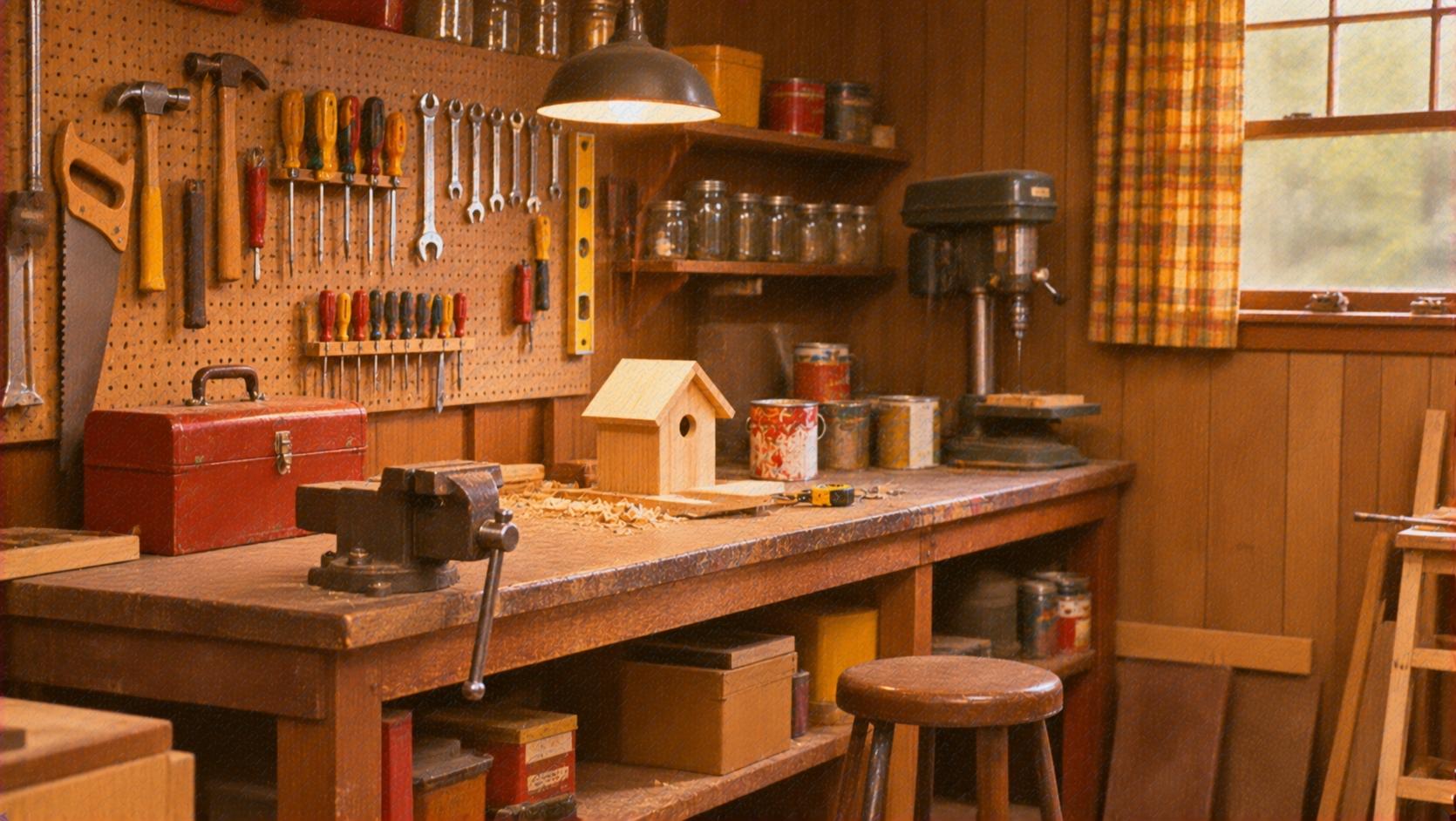
A garage, basement, or backyard shed often doubled as a personal workshop. Pegboards held screwdrivers, hammers, and wrenches, while wooden workbenches were covered with jars of nails and screws. These were places where parents and grandparents repaired furniture, fixed household appliances, built shelves, or worked on weekend projects. During a time when many products were designed to be repaired rather than immediately replaced, a home workshop could be surprisingly useful. Dedicated workspaces still exist, but the traditional family workshop has become less universal.
12. Television Rooms Were Designed Around a Single Screen
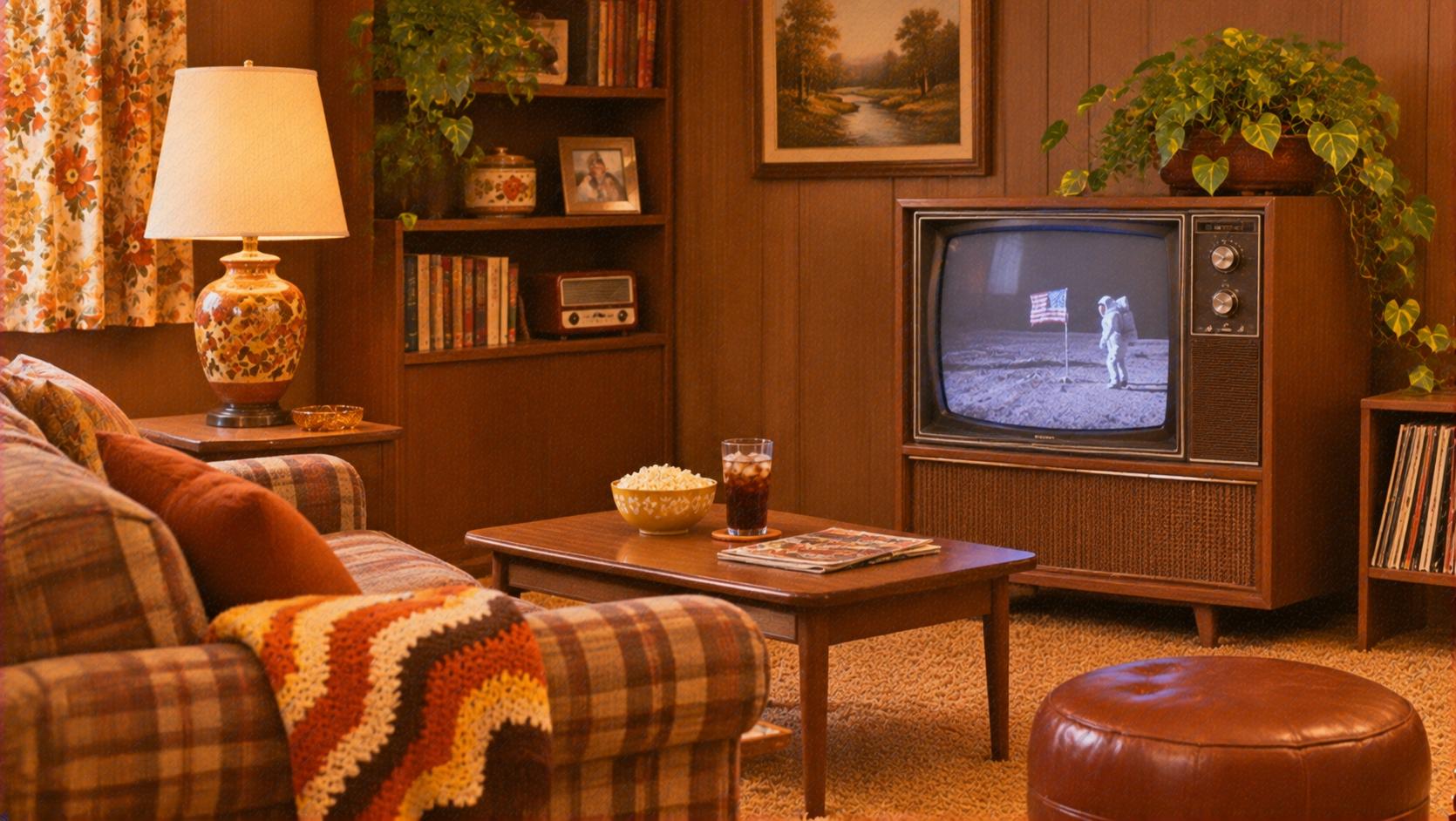
When a household owned only one television, watching it was often a shared activity. Some families had a separate den or television room with a large console TV, comfortable recliners, and a coffee table covered in magazines. Everyone gathered there for favorite sitcoms, sporting events, and the evening news. Arguments over which channel to watch were practically inevitable, especially before every room had its own screen. As televisions became cheaper and personal devices took over entertainment, the idea of a dedicated room for one shared television became less distinctive.
Advertisement


















General Disclaimer: The information provided in this blog is for informational purposes only. Blog Snapper makes no warranties regarding the accuracy or completeness of the content. Readers are advised to verify details independently before making decisions based on the information provided.
Content Disclaimer:This blog is intended to share general knowledge and insights. It is not meant to replace professional advice or guidance. Blog Snapper does not endorse or guarantee the accuracy of any information presented here.
Advertising Disclaimer:This blog may include affiliate links or advertising content. Blog Snapper may earn a commission from purchases made through these links, which helps support the platform. However, all opinions expressed are independent and based on our editorial standards.
Affiliate Disclosure:Some links in this blog may direct you to external websites, and Blog Snapper may receive a commission for purchases made through these links. This does not influence the integrity or neutrality of the content provided.
Third-Party Links Disclaimer: This blog may contain links to third-party websites. Blog Snapper does not assume responsibility for the accuracy, content, or policies of external websites. Readers are encouraged to review the terms and privacy policies of linked sites.
Legal Disclaimer: Blog Snapper does not guarantee the safety, reliability, or quality of any products, services, or recommendations mentioned in this blog. Use any information or purchase products at your own discretion and risk.
Stock Image Disclaimer: Images featured in this blog are for illustrative purposes only. They may not reflect actual locations, products, or scenarios discussed in the content. These images are intended solely to enhance the reader’s experience.
Results Disclosure: The experiences or suggestions mentioned in this blog may vary from person to person. Outcomes are not guaranteed and depend on various factors, including individual preferences and circumstances.
Copyright Disclaimer: This content is the property of Blog Snapper and is intended for personal use only. Redistribution or unauthorized use of this blog’s content is strictly prohibited.